Arizona DPS Commercial Vehicle Operations: A Closer Look at Road Safety Measures
The recent operations by the Arizona Department of Public Safety (AZDPS) in the Phoenix area have sparked a widespread discussion on the safety of commercial vehicles on our highways. In a series of targeted stops along the Phoenix Metro freeways, nearly half of the commercial vehicles encountered were placed out-of-service due to a range of safety violations. This opinion editorial examines the details of the operation, the underlying causes of these safety issues, and the broader impact on road safety as well as the legal implications for stakeholders in commercial transportation.
Understanding the Phoenix Blitz and Vehicle Safety Violations
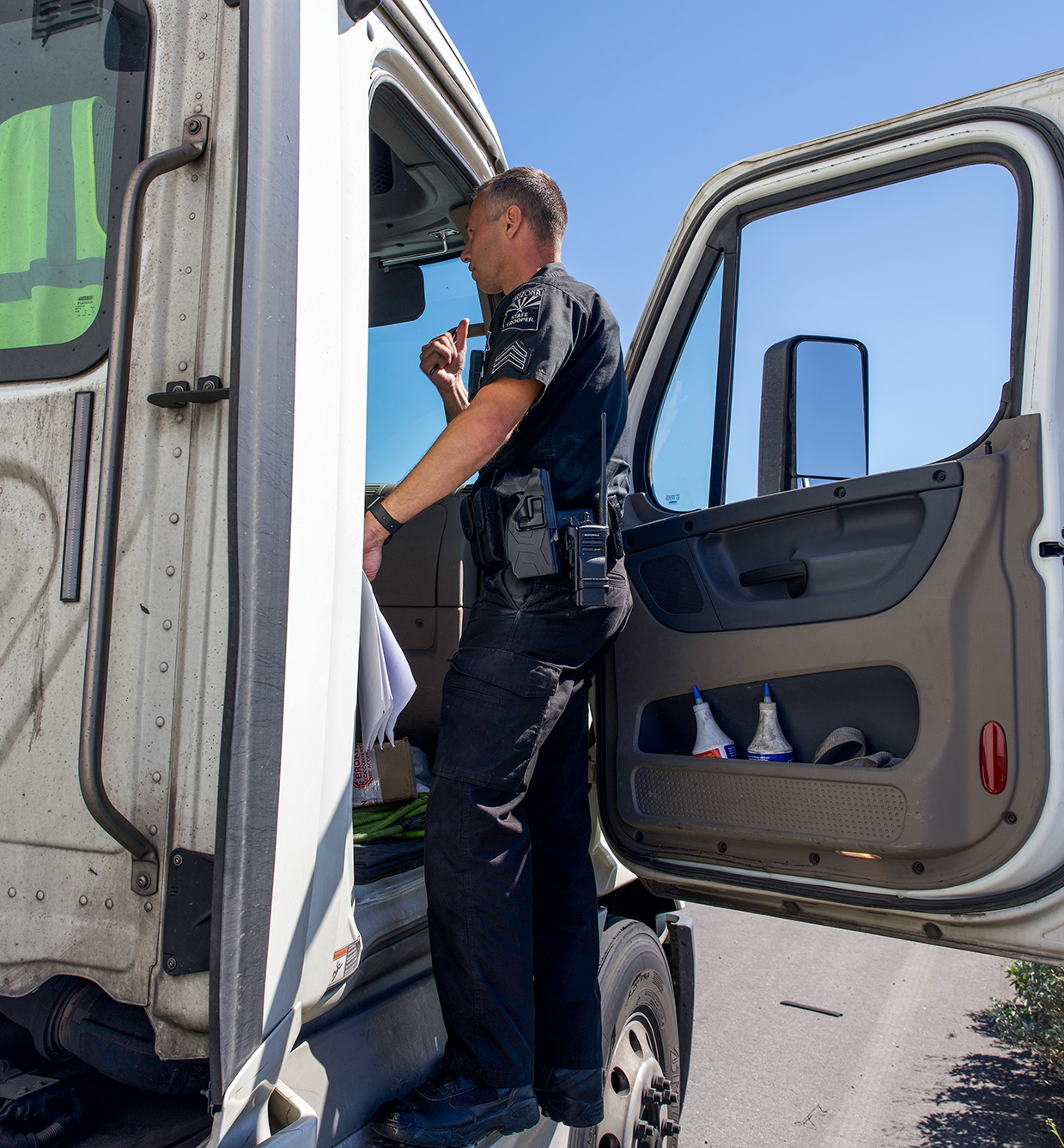
The AZDPS operation was designed to uncover and address a variety of problematic issues among commercial vehicle operators. Reports indicate that troopers found a myriad of safety problems, including false logbook entries, flat tires, and equipment malfunctions. The task force, led by the Highway Patrol State Troopers and the Commercial Vehicle Enforcement Unit, undertook the operation as part of a broader campaign to encourage proper pre-trip inspections and ensure that all commercial vehicles are in safe operating condition before journeying on busy freeways.
During the operation, a staggering 46% of the stopped vehicles were deemed unsafe and placed out-of-service. Additionally, the troopers issued 25 citations in a single day solely for seatbelt infractions. Such figures highlight the troubling state of routine safety checks and the need for operators to invest more time in the proper maintenance of their vehicles to avoid both legal infractions and potential accidents.
In essence, this robust measure is a wake-up call for the entire transportation industry. While the enforcement efforts might cause discomfort for some operators, they also serve as a necessary step to protect drivers, passengers, and other road users from the consequences of skipping critical safety checks.
Safety Enforcement: Balancing Rigor with Fairness
One of the central themes emerging from the operation is the balance between rigorous enforcement and ensuring fairness in transportation regulation. As we take a closer look, several key points stand out:
- Driver Responsibility: A significant aspect of the issue relates to drivers not performing simple, yet crucial, pre-trip inspections. The operation uncovered many cases where basic issues—notably flat tires or malfunctioning equipment—could have been rectified with a brief check before starting the journey.
- Regulatory Consistency: Consistent enforcement is essential for ensuring that all commercial operators adhere to safety regulations. However, concerns often arise regarding the fine points of regulation and the risk of tipping into what some might see as overly strict enforcement.
- Officer Discretion: Law enforcement officials face the tricky parts of deciding when a violation is significant enough to halt a vehicle. In this case, troopers clearly deemed that nearly half of the vehicles stopped presented conditions too unsafe to warrant continuing on the highway.
This approach demonstrates that safety enforcement carries with it many twists and turns. Each vehicle stop involves a blend of legal judgment and practical assessment, which reminds us of the inherent challenges law enforcement officials face every day.
Examining the Legal Implications for Commercial Operators
The operation not only impacts immediate road safety but also carries long-standing legal issues for commercial vehicle operators. The penalties, citation records, and potential financial repercussions can be intimidating for companies that may already be grappling with tight margins and operational challenges.
Some key legal issues include:
- Compliance Challenges: Many of the stops resulted in citations for what are, in legal terms, minor infractions. However, cumulatively, these violations can tarnish a company’s safety record and lead to more severe legal scrutiny in the future.
- Legal Precedents: Law enforcement operations of this magnitude can set new legal precedents regarding what constitutes a safety violation. This is especially important for cases involving false logbook entries—a problem that not just defies regulation but can also have long-lasting effects in the courtroom.
- Regulatory Adjustments: Following operations like the Phoenix blitz, legislators and regulatory bodies may feel compelled to revise or tighten the rules. This dynamic can result in significant changes in operational protocols for commercial vehicle operators.
These legal challenges expose the small distinctions and subtle details that make each case unique. It is clear that operators must now get into the nitty-gritty of compliance—ensuring not only that vehicles are safe but that all documented information is precise and accurate.
Interpreting Pre-Trip Inspections: A Must-Have Safety Measure
At the heart of the safety violations is a common thread: inadequate pre-trip inspections. Many of the issues uncovered during the blitz could have been easily avoided with relatively simple checks. Pre-trip inspections are super important and serve as a foundational element of road safety, yet they are sometimes overlooked in the rush of daily operations.
Some suggestions to improve pre-trip inspections include:
- Implementing digital checklists that prompt drivers to address key safety points.
- Regular training sessions to underscore the importance of these inspections.
- Incentivizing drivers who maintain a flawless record of compliance.
By promoting a culture that values these routine checks, companies can not only avoid the nerve-racking consequences of sudden vehicle stops but also ensure a safer driving environment overall.
Addressing the Root Causes: Why Safety Checks Are Often Overlooked
Understanding the reasons behind the proliferation of vehicle safety issues can help stakeholders find ways to solve these diverse problems. Many operators claim that the daily pressures of meeting tight schedules and maintaining rigorous delivery timelines force drivers to rush the pre-trip inspections. In many cases, these competing demands translate into neglecting those simple yet critical safety checks.
The following points shed light on some of the hidden complexities:
| Issue | Description | Potential Solution |
|---|---|---|
| Time Pressure | Drivers are often on strict deadlines, leading to rushed or skipped inspections. | Implement realistic scheduling and rest periods. |
| Inadequate Training | Lack of consistent training on the importance of inspections. | Offer regular, repetitive training sessions and refresher courses. |
| Documentation Errors | False logbook entries or incomplete records, which complicate safety verifications. | Adopt digital record-keeping systems that reduce human error. |
| Maintenance Costs | The cost of preventive maintenance can deter operators from investing time and resources. | Explore incentive programs and subsidies for fleet maintenance. |
This table outlines the common tricky parts of commercial vehicle operations and provides possible strategies to manage these issues. Addressing these tangled issues is essential for fostering a culture where safety is not compromised for expedience.
Driving Culture: Shifting from a Reactive to a Proactive Approach
It is clear that moving toward a proactive approach can help mitigate many of the problematic areas highlighted during the AZDPS operation. Instead of waiting for a violation to occur, companies can work on foresight and planning. This includes:
- Building a Safety-First Mindset: Emphasizing that safety is a key priority rather than an afterthought.
- Investing in Technology: Modern digital tools can provide real-time feedback on vehicle performance and maintenance needs.
- Regular Audits: Conducting internal audits can help identify minor issues before they escalate into legal violations.
By finding your way to a more proactive system, operators can sidestep many of the nerve-wracking legal and safety consequences that have become all too common in today’s transportation landscape.
The Broader Impact on Public Safety and Community Confidence
The AZDPS operation shines a light on a larger social issue—public confidence in the safety of commercial transportation. For the everyday motorist and community residents, the multitude of safety violations not only poses an immediate risk but also undercuts public trust in the industry’s ability to safeguard them.
Key concerns include:
- Perceived Inefficiencies: When nearly half of stopped vehicles are noncompliant, the community is forced to confront the idea that the system is taxed with confusing bits and complicated pieces of outdated procedures.
- Potential for Accidents: Unsafe vehicles can lead to accidents that have far-reaching consequences, impacting public safety and increasing emergency response costs.
- Impact on Insurance and Costs: A spike in accident rates or violations can drive up insurance premiums and operational costs for companies, which may eventually trickle down to consumers.
These factors create a feedback loop where diminished public confidence fuels calls for stricter regulations, which can then add to the pressures on commercial operators. In many ways, the current state of affairs is loaded with problems, demanding not just incremental changes but a thoughtful rethinking of safety protocols and enforcement strategies.
Community Engagement and Transparency
The relationship between law enforcement, commercial operators, and the public benefits immensely from increased transparency and dialogue. Several initiatives could help build this trust further:
- Public Reporting: Regular updates on enforcement activities help keep the community informed on the measures being taken to enhance road safety.
- Feedback Mechanisms: Establishing channels through which industry professionals and community members can voice concerns and offer suggestions.
- Collaborative Programs: Partnerships between regulators, transport companies, and community organizations to sponsor safety awareness campaigns can pave the way for shared responsibility.
These steps are not only essential from a safety perspective; they are also key in rebuilding community confidence that the system is working hard to protect everyone on the road.
Economic Considerations: Weighing Costs and Benefits
The economic impact of intensified enforcement measures is a subject that attracts both support and criticism. Commercial operators argue that extensive checks and the resulting out-of-service designations disrupt schedules, potentially costing companies significant revenue in lost time. On the other hand, proponents of strict enforcement maintain that the cost of neglecting safety is far greater, both in human lives and in financial terms when accidents occur.
To illustrate these economic considerations, consider the following breakdown:
- Short-Term Costs: Temporary vehicle downtime, immediate fines, and potential delays in deliveries.
- Long-Term Benefits: Prevention of costly accidents, reduced insurance rates as safety records improve, and the avoidance of expensive litigation related to accidents or safety violations.
A balanced view requires acknowledging that, although operations like the Phoenix blitz might create short-term disruptions, the essential nature of rigorous safety checks ensures long-term financial benefits. For all stakeholders—drivers, companies, and the general public—the safety net provided by these measures is super important.
Comparative Analysis: Lessons from Other Jurisdictions
A comparative study of similar operations in different jurisdictions can help us figure a path through the challenging landscape of commercial vehicle regulation. In many regions across the country, law enforcement agencies have implemented enhanced safety protocols with mixed results:
- Higher Compliance Rates: States that have invested in proactive measures such as digital reporting and frequent training sessions have seen remarkable improvements.
- Operational Adjustments: In regions where enforcement has tapered off, there is evidence of an increased rate of minor safety violations that later manifest as major incidents.
- Feedback from Operators: Companies often report that when given ample notice and guidance, drivers are more willing to accommodate safety directives, even if the process seems nerve-wracking at first.
These lessons underscore the importance of tailoring enforcement measures to both the legal framework and the practical realities of daily transportation work. Finding your way through this complex landscape depends on striking the right balance between enforcement and support.
Future Outlook: Modernizing Commercial Vehicle Safety and Enforcement
As we look ahead, the pressing question remains: How can regulators and commercial operators work together to improve overall road safety without overwhelming the system with off-putting measures? The answer may lie in innovative approaches that blend technology with on-the-ground experience.
Future initiatives might include:
- Automated Safety Systems: Investment in sensors and onboard diagnostics that alert drivers to potential issues before they become critical.
- Data Analytics: Utilizing big data to identify trends in safety violations and to predict when and where problems are likely to occur.
- Enhanced Training Modules: Improved, interactive training that emphasizes the small distinctions and fine points of proper vehicle inspections.
- Public-Private Partnerships: Collaborations between government agencies and industry players to pilot innovative safety programs and to share best practices.
These tools and methods, if properly integrated, can help steer through the many problematic areas laden with tensions between operational practicality and rigid regulatory demands. Digital monitoring and remote diagnostics are set to play a key role in reducing the human error factor and smoothing out some of the overwhelming challenges involved in managing fleet safety.
The Promise of Technology in Overcoming Hidden Complexities
While nothing can fully replace the human touch when it comes to road safety, technology offers promising solutions to many of the confusing bits that plague the industry today. For instance, real-time monitoring systems can alert drivers about mechanical issues, while digital logbooks can help reduce errors associated with manual entries. The benefits are not limited to safety alone:
- Streamlined Compliance: Automated record-keeping reduces the chances of false logbook entries, ensuring that all the fine points of safety compliance are met.
- Improved Driver Performance: Feedback systems can serve as both a guide and a motivator for drivers to conduct thorough pre-trip inspections.
- Cost Efficiency: Over time, investments in technology can reduce the overall costs associated with accidents, fines, and legal disputes.
A pilot program incorporating these technological advances could serve as a blueprint for the entire industry. The future of commercial transportation may well be defined by the ability to combine old-school diligence with cutting-edge tools, thereby creating a safer, more streamlined pathway for both operators and the general public.
Practical Steps for Operators: Managing Compliance and Safety Effectively
Commercial vehicle operators are now at a crossroads. The current environment, loaded with stringent regulations and nerve-wracking enforcement actions, demands that companies take proactive measures to manage their fleets effectively. Here are some practical steps that operators can adopt:
- Establish a Routine: Develop a strict schedule that allows ample time for comprehensive pre-trip inspections. This routine should be standardized across all shifts and vehicle types.
- Invest in Training: Regular educational sessions aimed at clarifying the subtle parts of safety compliance can help drivers understand their responsibilities better. Companies can invite experts to dig into the details and share best practices.
- Leverage Digital Technologies: Transition from paper-based logs to digital platforms that allow real-time updates and alert systems. This shift not only enhances compliance but also creates a verifiable trail in the event of an investigation.
- Create an Internal Audit Team: Form a dedicated safety committee tasked with periodic reviews of vehicle maintenance records, inspection routines, and compliance documentation.
- Engage with Regulators: Maintain an open line of communication with law enforcement agencies and regulatory bodies. Attending forums and workshops can help operators keep abreast of evolving standards and expectations.
Implementing these action points helps operators not only meet regulatory demands but also build a culture of safety that resonates throughout all levels of the organization.
Critical Role of Partnerships and Industry Collaboration
One of the must-have strategies for improving overall safety involves enhanced collaboration between government agencies, industry associations, and the private sector. Such partnerships can pave the way for:
- Joint Research Initiatives: Collaborative research can uncover new methods for addressing the tricky parts of vehicle safety and compliance monitoring.
- Shared Best Practices: By learning from each other’s experiences, companies and regulators can help improve training programs, reducing overlapping challenges.
- Funding and Incentives: Joint ventures could lead to the establishment of funding programs that subsidize the transition to digital compliance systems or advanced safety technologies.
These collaborations are a critical piece of the puzzle, supporting a holistic approach to transportation safety that considers both the small distinctions of operational compliance and the broader picture of industry reform.
Concluding Thoughts: Looking to the Road Ahead
The Phoenix area blitz by the Arizona Department of Public Safety is more than a story about catching non-compliant vehicles—it is a reflection of the ongoing challenges in ensuring that commercial transportation remains safe for everyone. The operation exposed many of the problematic areas that have long been ignored due to time pressures, inadequate training, and outdated enforcement methods.
While the findings are undeniably concerning, they also offer an opportunity to reconsider how safety is ensured on our highways. By investing in technology, prioritizing training, and fostering open partnerships among all stakeholders, the industry can begin to make meaningful progress. Though the journey may be intimidating and filled with confusing bits and tangled issues, the end goal is clear: safer roads for drivers, passengers, and communities alike.
As we take a closer look at the trends, it becomes evident that ensuring commercial vehicle safety is a continuous process. Regulatory agencies must keep working through the tough aspects of enforcement, while operators must steer through their operational pressures. Together, these changes can help build a future where safety is not compromised, where each pre-trip inspection is taken seriously, and where commercial transportation contributes positively to society.
In closing, it is our hope that all parties—law enforcement, commercial operators, and policymakers—will learn from the lessons of the recent blitz. Even though the road ahead may seem loaded with issues and nerve-wracking challenges, a commitment to proactive safety measures and collaborative problem-solving can pave the way toward a secure and efficient transportation system.
Moving forward, our collective effort to tackle the hidden complexities, the fine details of compliance, and the everyday responsibilities of vehicle operators is not just a legal imperative—it is a moral obligation to every member of our community who relies on these highways. Let this operation be a starting point for sustained, collaborative change—a change that ensures our roads remain safe and our industry stays robust and respected.
Originally Post From https://cdllife.com/2025/arizona-troopers-place-46-of-stopped-commercial-vehicles-out-of-service-during-phoenix-blitz/
Read more about this topic at
Florida congressman targets sanctuary states over illegal ...
Feds crack down on migrant truckers after DHS operation


Social Plugin